The Signal:
- Institutional money is moving down-market into small-bay flex.
- The thesis is aggregation: buy fragmented space, lease it to many small tenants.
- Small-bay supply is nearly impossible to replicate at today's construction costs.
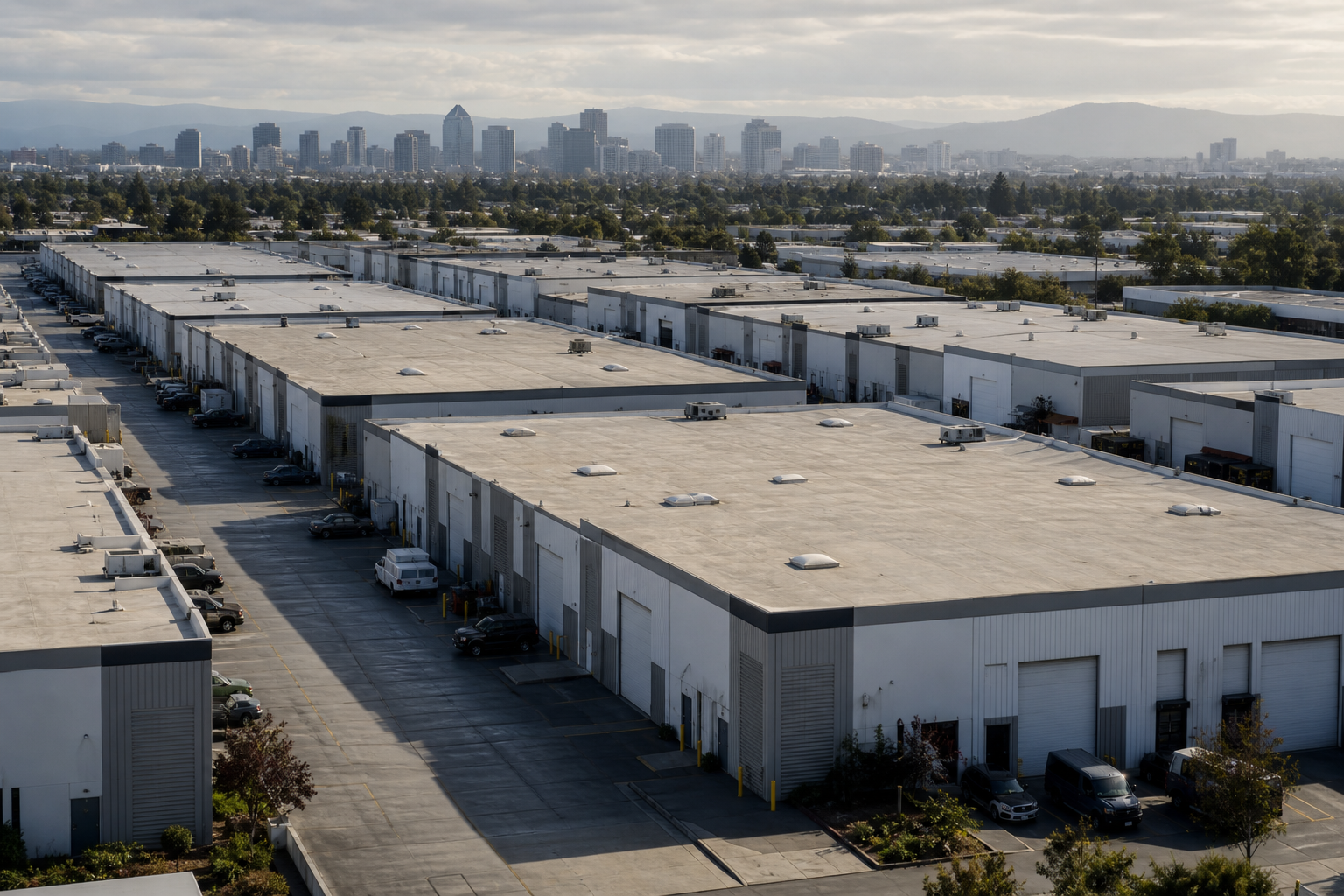
Big-box logistics gets the headlines, but the tightest corner of industrial is the small stuff. A first portfolio-level acquisition of 441,000 SF, chopped into ~500 micro-bays, is a bet that the fragmented, mom-and-pop end of the warehouse market is an institutional asset class in waiting.
The economics are the point. Small-bay serves contractors, e-commerce sellers, and local service businesses — tenants who pay premium per-SF rents, sign short leases, and have almost nowhere else to go. New small-bay is rarely built because land and construction costs don't pencil at that unit size.
The structural read is aggregation as strategy. The value isn't one building; it's assembling a platform of hard-to-replace small-bay across markets and running it like an operating business — exactly the profile institutional capital is now buying into.
Implications: Owners of infill small-bay hold a scarce, high-yield asset new supply can't undercut. Sellers now have a consolidating institutional bid where there used to be only local buyers. For operators, the edge is management intensity — hundreds of small tenants is an operations problem, not a passive hold.
Key Takeaway: The last cheap corner of industrial is being institutionalized — small-bay is becoming a platform play.
Key Takeaways
- “Institutional money is moving down-market into small-bay flex”
- “The thesis is aggregation: buy fragmented space, lease it to many small tenants”
- “Small-bay supply is nearly impossible to replicate at today's construction costs”
Source: PR Newswire — WareSpace Adds Five Properties Through First Portfolio-Level Acquisition, July 15, 2026
Source: Commercial Real Estate Direct — industrial transactions, July 2026
Never miss a Signal
Get the daily brief that busy CRE professionals rely on.