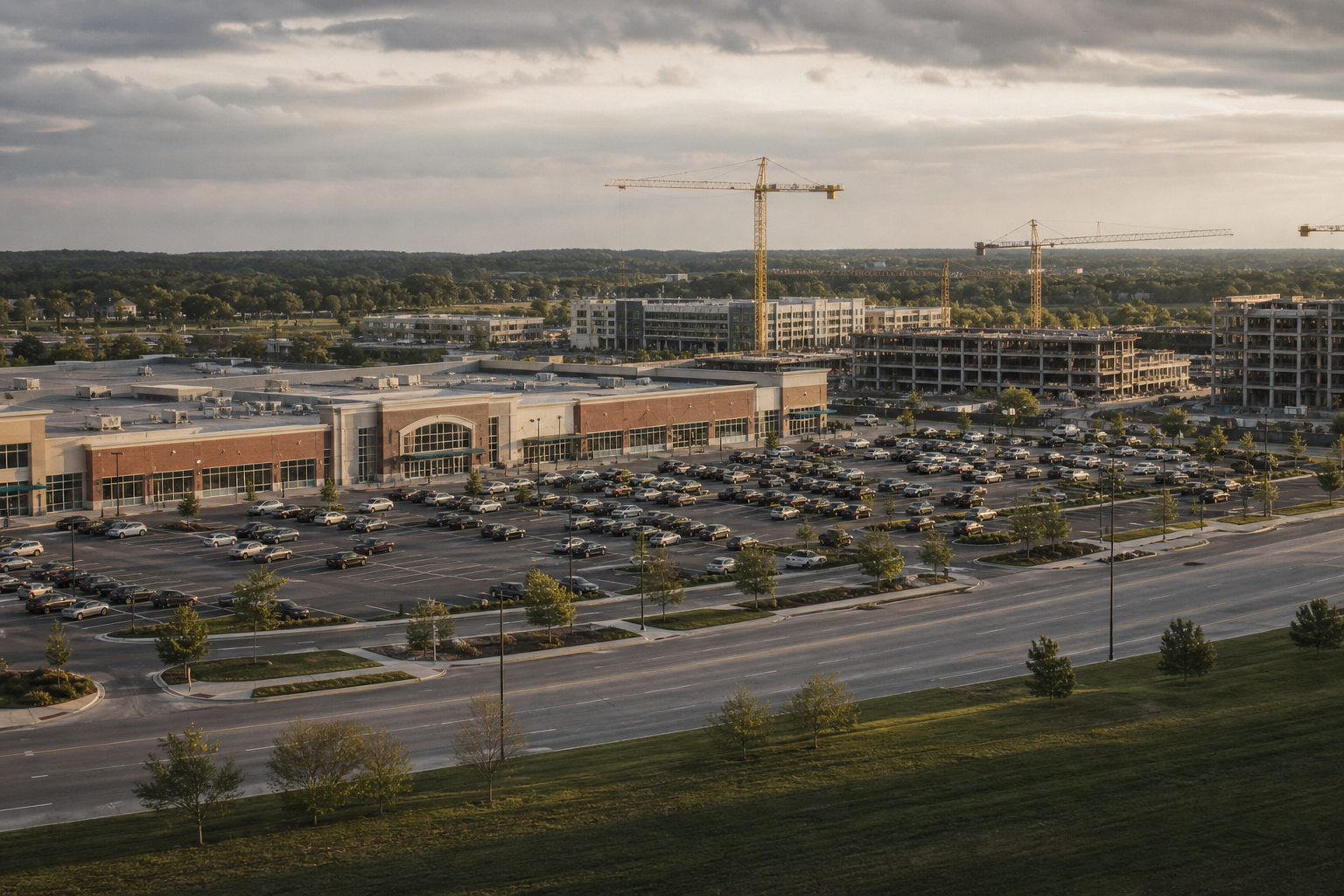
The Signal:
- Necessity retail has gone from contrarian to consensus.
- Cap-rate compression into a higher-for-longer curve is a crowding signal.
- The edge is no longer the thesis — it's sourcing and tenant quality.
Two institutional necessity-retail trades closing on the same day is not a coincidence — it's a crowd. The grocery-anchored, open-air box capital avoided a few years ago is now the consensus safe harbor, and the pricing shows it: cap rates compressing three-quarters of a point in a year while the risk-free rate held higher.
That's the tell worth flagging. When yields compress on the defensive asset while the cost of capital stays elevated, buyers are paying up for perceived safety — and squeezing their own margin of error. The thesis is sound; the entry price is getting rich.
The structural read is a late-cycle rotation into a shrinking pool. With sellers holding and capital crowding in, the differentiator is no longer being early to necessity retail — it's sourcing off-market product and underwriting tenant health, because the yield cushion is largely gone.
Implications: Owners of well-leased grocery-anchored centers have a deep, competitive bid and real pricing power. Sellers of the best product can name their price into this demand. For buyers, the caution is discipline — necessity retail is correct as a thesis and crowded as a trade; underwrite for it.
Key Takeaway: Necessity retail is now the consensus safe trade — and consensus, compressing cap rates into a higher-for-longer curve, is exactly when discipline matters most.
Key Takeaways
- “Necessity retail has gone from contrarian to consensus”
- “Cap-rate compression into a higher-for-longer curve is a crowding signal”
- “The edge is no longer the thesis — it's sourcing and tenant quality”
Source: Commercial Real Estate Direct — Phillips Edison Pays $38Mln for Suburban Minneapolis Retail Center, July 15, 2026
Source: Commercial Real Estate Direct — Intercontinental Pays $69.5Mln for Seattle-Area Retail Property, July 15, 2026
Source: CRE Daily — Retail REITs Ride a Scarcity Boom, 2026
Never miss a Signal
Get the daily brief that busy CRE professionals rely on.