➤ SIGNAL
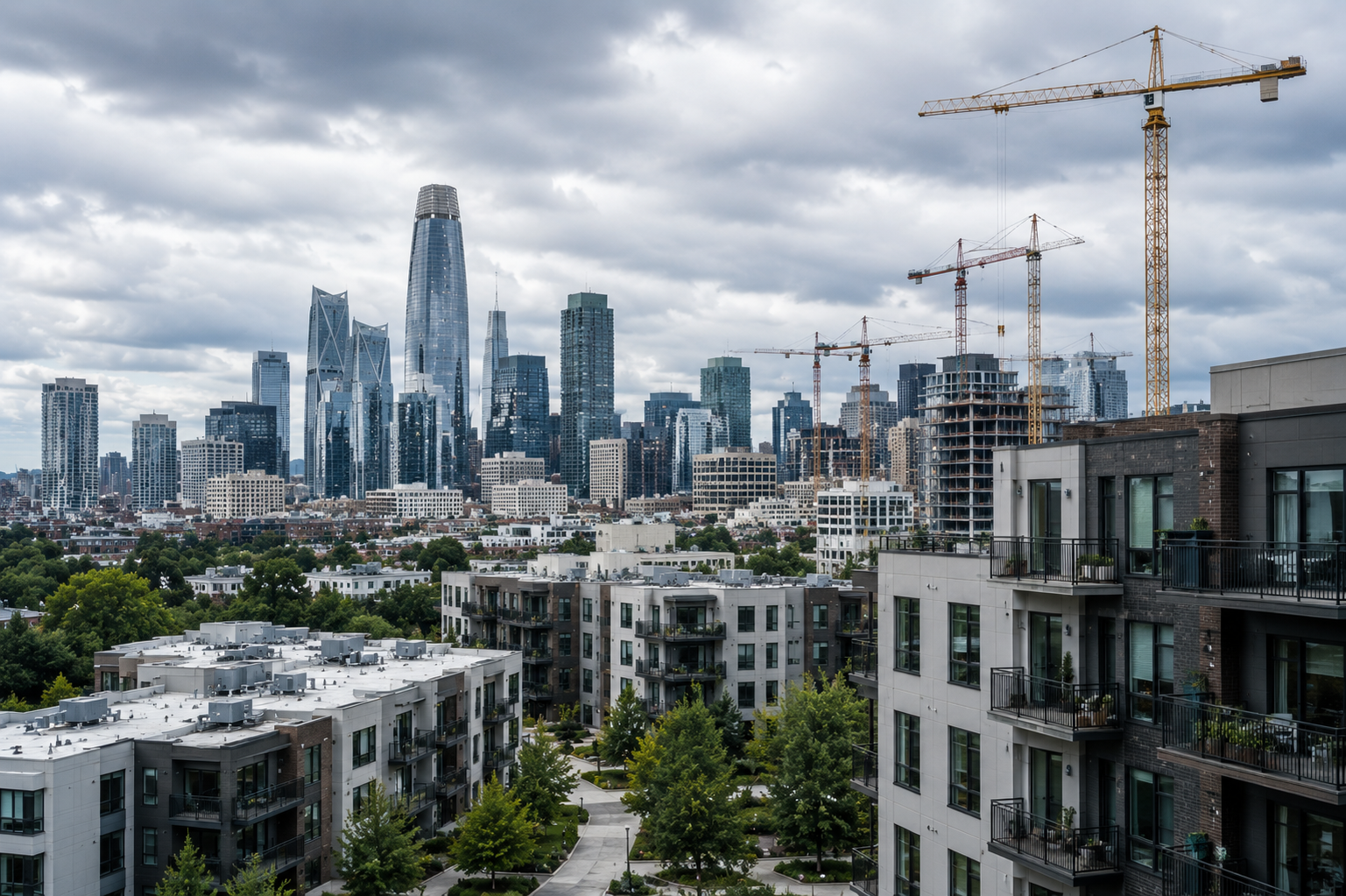
The supply wave that crushed Sun Belt rents is finally cresting. A quarterly delivery count at roughly 40% of the three-year average is the mechanism: when you stop adding units, occupancy stops eroding. Vacancy turning down nationally for the first time in four years is the cycle signal operators have waited for — the bottom of the rent cycle is forming, even if the headline rent number is still negative.
But "national" hides the real story. This is a two-America market. Bay Area metros are posting 5–6%+ rent growth on AI wages while Austin and Phoenix still digest oversupply. The averages are converging from opposite directions, which means the right move depends entirely on submarket, not the national print.
Implications
Operators: In oversupplied Sun Belt submarkets, defend occupancy and renewals now; the supply relief that fixes pricing is 2–4 quarters out.
Investors: The forming floor is an entry signal for durable-income multifamily — but underwrite the submarket supply pipeline, not the national average.
Lenders: Falling vacancy improves DSCR math on stabilized assets; bridge-loan maturities in oversupplied metros remain the stress point.
Key Takeaways
- “The apartment bottom is being built by the absence of cranes, not the return of rent growth.”
- “Source: Arbor / Apartment List / CBRE / NAHB — May 2026 · Multifamily · Operations”
Never miss a Signal
Get the daily brief that busy CRE professionals rely on.