
he New Reality: AI Needs Power Before It Needs Servers
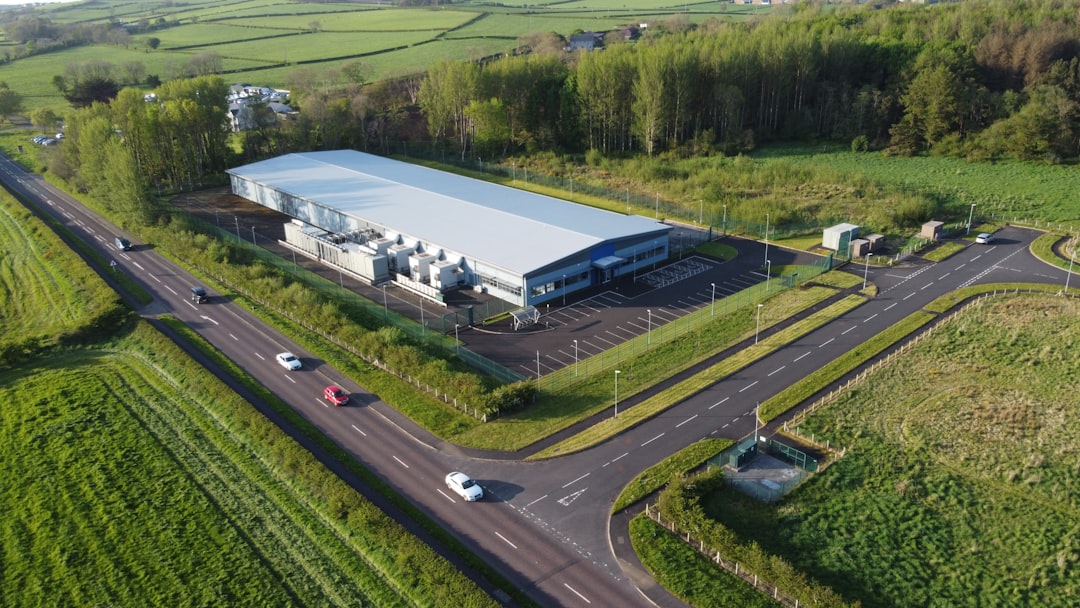
The most telling signal in AI infrastructure this quarter isn’t a chip order—it’s energy ownership. OpenAI and SoftBank’s $1B investment into SB Energy formalizes a vertical stack where compute demand dictates power development, not the other way around. The centerpiece of the broader “Stargate” initiative is a 1.2-gigawatt data-center campus in Milam County, Texas, a scale that forces early, irreversible decisions on transmission access, water rights, and substation design.
This is a departure from the last decade’s playbook. Historically, developers chased cheap land and tax abatements, assuming utilities would catch up. That assumption is now a liability. At multi-hundred-megawatt scale, power delivery is the project, and buildings follow.
Stress test: If your underwriting treats utility studies as a post-LOI task, this model breaks. Interconnection queues, transformer procurement, and water mitigation can add quarters—not weeks—to delivery.
Texas as the Grid of Choice—With Strings Attached
Texas remains the epicenter because it offers a rare mix: deregulated power markets, vast land, and political willingness to approve industrial-scale projects. But the Castroville example shows the trade-offs. Microsoft’s ~$400M, ~195,000-SF facility in Medina County sits outside San Antonio’s core, prioritizing zoning speed and utility headroom. In return, the project absorbs heightened scrutiny around traffic and water usage.
This is the emerging bargain: faster approvals in ex-urban locations, offset by developer-funded mitigation. Roads, water recycling, and on-site power investments are no longer “nice to haves”—they’re table stakes.
Execution reality: Budgets that don’t line-item traffic improvements or water reuse systems are underestimating total cost of delivery.
Office Capital Reprices—Quietly and Surgically
While headlines fixate on AI, capital is simultaneously arbitraging fear in office. A joint venture led by Elliott Investment Management and Morning Calm Management has taken City Office REIT private at roughly $7 per share, pulling a 5.4-million-SF portfolio out of public markets.
This isn’t a bet on a full office recovery. It’s a basis play: acquire stabilized, secondary-market assets at a discount, fund targeted cap-ex, and operate without quarterly earnings pressure. The public markets penalized office broadly; private capital is parsing it selectively.
Counterpoint: This works only where assets are right-sized and locations defensible. Trophy-less towers with deferred maintenance won’t clear the hurdle—even at a discount.
Stop Reading Headlines
Subscribe to CRE 360 Signal™ Newsletter to Move Smarter in Today's CRE Market.Start Understanding the Market
Key Takeaways
- “Underwrite utilities like structure : Treat power and water timelines as financial covenants, not assumptions.”
- “Design for mitigation : Traffic, water reuse, and grid upgrades belong in schematic design, not VE.”
- “Buy on basis, not narratives : Whether AI campuses or office portfolios, pricing discipline beats thematic enthusiasm.”
Never miss a Signal
Get the daily brief that busy CRE professionals rely on.