⚠️ Why it matters
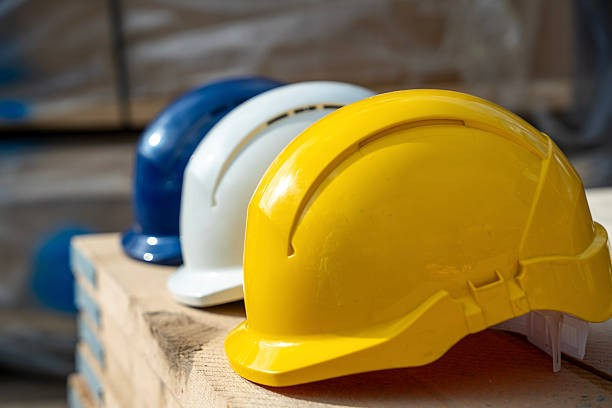
Poorly fitting PPE undermines protection, introduces secondary hazards, and discourages consistent use. OSHA has cited fit-related deficiencies for years, but enforcement often relied on interpretation rather than explicit code language. This rule closes that gap. Contractors now face clearer exposure during audits if PPE sizing, selection, or issuance practices fall short—especially for gloves, harnesses, helmets, and high-visibility apparel.
Contractors should expect OSHA inspections to directly reference PPE fit when evaluating safety programs. Inventory audits, sizing documentation, and training records will carry more weight. Suppliers offering limited size ranges may become operational bottlenecks, and employers may need to adjust procurement policies to ensure compliance across diverse workforces.
The rule doesn’t introduce new PPE categories, but it raises the bar on how existing equipment is managed. Companies with informal or one-size-fits-all practices are most exposed. Enforcement will likely focus on repeat citations, injury investigations, and sites with mixed or temporary labor where fit issues are common.
Stop Reading Headlines
Subscribe to CRE 360 Signal™ Newsletter to Move Smarter in Today's CRE Market.Start Understanding the Market
Key Takeaways
- “OSHA’s PPE fit clarification turns an implied safety expectation into a codified requirement. Construction employers must now prove that protective equipment is appropriately sized and selected for each worker. The compliance risk isn’t theoretical—fit is now a measurable standard that inspectors can enforce directly.”
Never miss a Signal
Get the daily brief that busy CRE professionals rely on.