The Signal:
- The inflection is in availability and demand, not yet in headline vacancy.
- Tenants hold the leverage now — but the leverage window is starting to close.
- This is a bottoming read, not an all-clear.
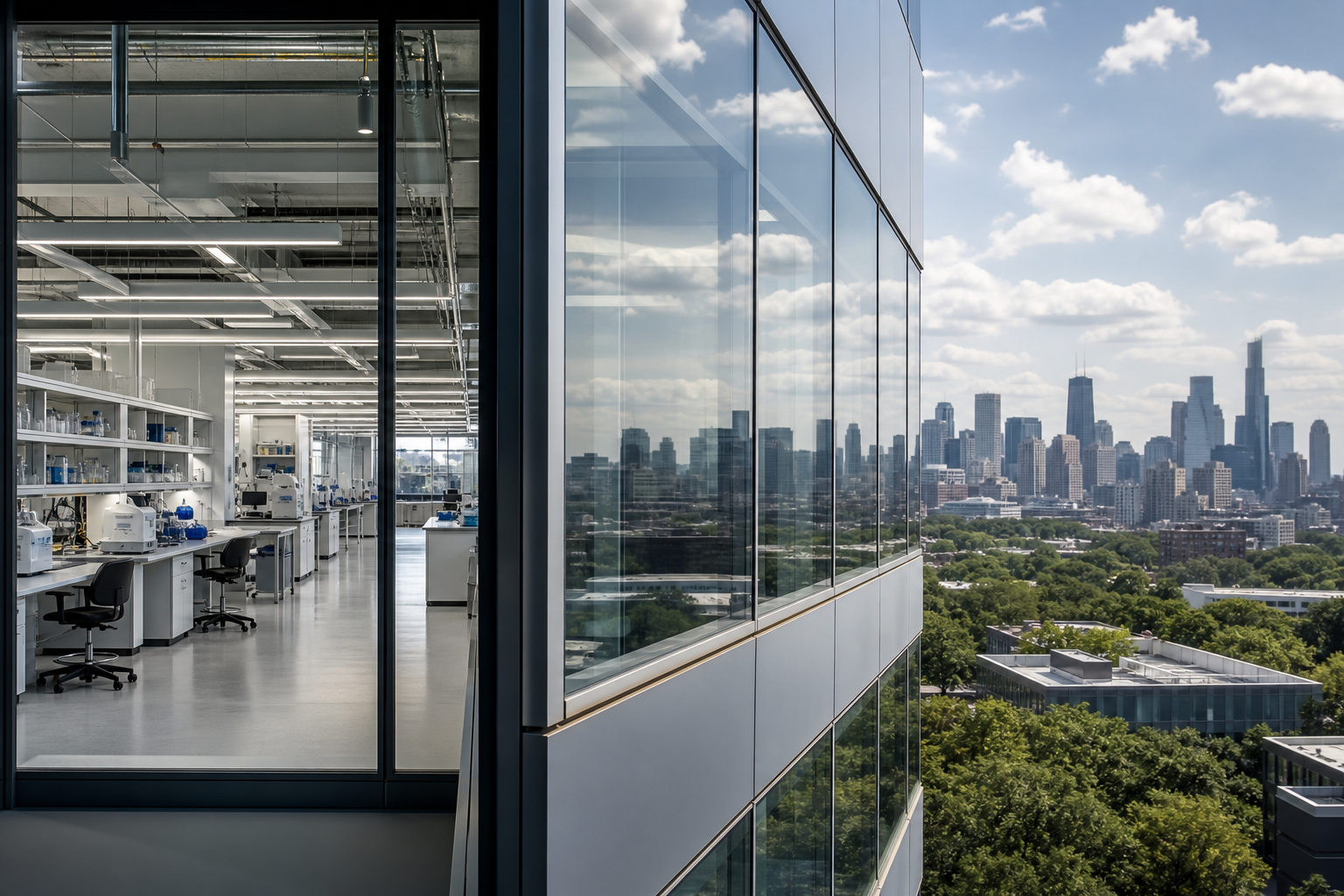
Life sciences real estate went through a genuine bust: a construction boom crashed into a biotech funding winter and pushed vacancy toward record highs. The Q1 data is the first credible sign the bleeding stopped — availability posted its biggest quarterly drop in ten years, and demand in the four core clusters jumped 44%.
The honest caveat is that vacancy is still elevated. With headline readings in the mid-20s, this is a market that has stopped getting worse, not one that has recovered. Tenants still command record concessions and shorter terms — 62-month direct deals are the leverage of a renter's market.
The structural read is a classic bottom: supply stops growing, availability starts falling, and demand returns before the vacancy statistic catches up. The tenants signing now, into peak concessions, are the ones timing the trough.
Implications: Owners who survived the vacancy peak are seeing the first absorption tailwind, but pricing power is still quarters away. Occupiers still hold leverage — the best terms of the cycle are on the table now and won't last if absorption holds. For investors, the entry case is improving faster than the vacancy headline admits.
Key Takeaway: Life sciences has bottomed on absorption even as vacancy stays high — the recovery is starting where the data leads, not where the headline is.
Key Takeaways
- “The inflection is in availability and demand, not yet in headline vacancy”
- “Tenants hold the leverage now — but the window is starting to close”
- “This is a bottoming read, not an all-clear”
Source: CBRE — Q1 2026 US Life Sciences Figures
Source: JLL — U.S. life sciences real estate has reached its turning point, June 2026
Source: Bisnow — Vacancy Has Peaked For Life Sciences, 2026
Never miss a Signal
Get the daily brief that busy CRE professionals rely on.