➤ The Signal
Institutional capital is targeting supply-starved infill, not speculative big-box.
The thesis is basis plus embedded rent growth, not lease-up risk.
Sun Belt industrial demand is bifurcating by submarket, not just metro.
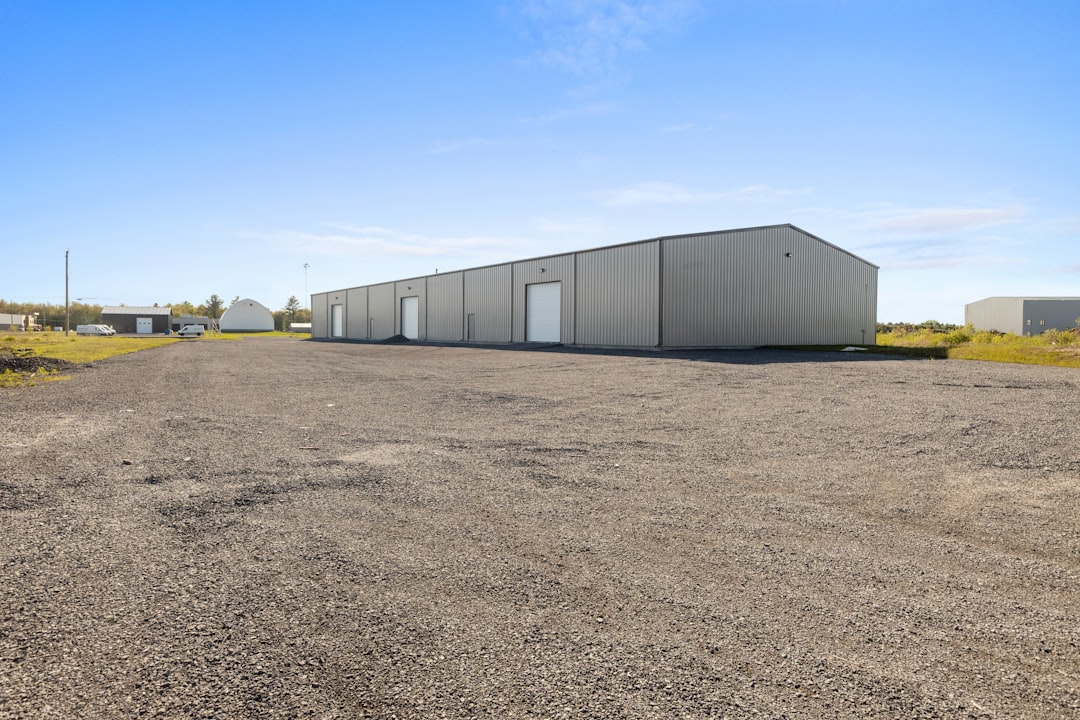
After a national wave of big-box deliveries, the sharper industrial trade in 2026 is the opposite: small-bay, in-place-leased product in corridors that barely built. Valwood’s sub-4% vacancy and thin delivery pipeline mean the buyer isn’t underwriting lease-up — it’s underwriting rent growth as below-market leases roll to market.
Buying below replacement cost is the tell. It caps downside — no one can build competing product at today’s costs and undercut you — while the mark-to-market on legacy rents drives the upside. It’s a defensive-offensive posture: hard to hurt, with a built-in growth lever.
➤ Implications
Expect more capital to chase infill industrial with existing occupancy over ground-up bets, especially in tight-vacancy Sun Belt corridors. Replacement-cost math is now doing the risk work that lease-up assumptions used to.
Key Takeaways
- “In a market that can’t build cheaply, the winning industrial trade is buying below what building costs.”
- “Source: Bisnow “DFW Deal Sheet” — June 2026”
Never miss a Signal
Get the daily brief that busy CRE professionals rely on.